
E-Commerce ERP: The Backbone of a Scalable Online Business
An E-Commerce ERP is an integrated software solution that connects online sales channels with core business operations such as inventory, orders, procurement, accounting, logistics, and customer management.
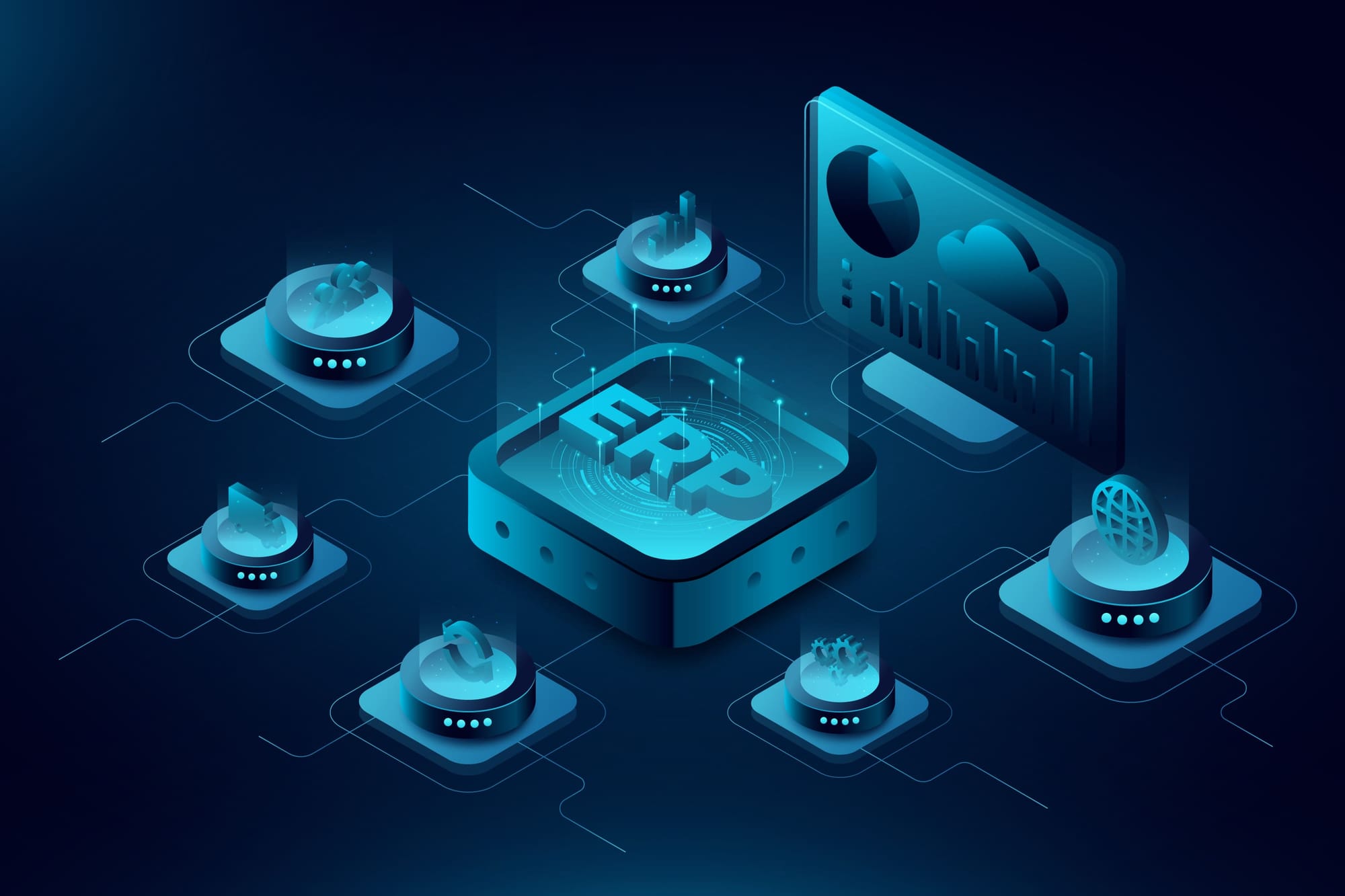
Running an e-commerce business today is far more complex than just selling products online. From inventory and order processing to customer management, finance, and compliance, multiple operations must work together seamlessly. An E-Commerce ERP (Enterprise Resource Planning) system brings all these functions under one unified platform, enabling businesses to scale efficiently and operate with complete control.
What Is an E-Commerce ERP?
An E-Commerce ERP is an integrated software solution that connects online sales channels with core business operations such as inventory, orders, procurement, accounting, logistics, and customer management. Unlike standalone e-commerce platforms, an ERP ensures real-time data synchronization across departments, eliminating data silos and manual interventions.
Core Modules of an E-Commerce ERP
1. Product & Inventory Management
Manage product catalogs, stock levels, SKUs, pricing, and warehouses in real time across online and offline channels.
2. Order & Fulfillment Management
Automate order processing, invoicing, shipping, returns, and delivery tracking from a single dashboard.
3. Customer Relationship Management (CRM)
Track customer data, purchase history, preferences, and support interactions to improve retention and personalization.
4. Finance & Accounting
Handle billing, payments, taxes, refunds, profit tracking, and financial reporting with accuracy and compliance.
5. Supply Chain & Vendor Management
Streamline procurement, vendor coordination, purchase orders, and stock replenishment to avoid shortages or overstocking.
6. Marketing & Promotions
Manage discounts, coupons, campaigns, and loyalty programs while tracking performance and ROI.
7. Analytics & Reporting
Gain insights into sales trends, inventory movement, customer behavior, and operational efficiency through real-time dashboards.
Key Benefits of an E-Commerce ERP
- Centralized Operations: One system for managing all business processes
- Real-Time Data Accuracy: No mismatch between stock, orders, and accounts
- Operational Efficiency: Reduced manual work and faster order processing
- Scalability: Supports business growth across multiple channels and regions
- Better Decision-Making: Data-driven insights for strategy and planning
Why E-Commerce Businesses Need an ERP
As order volumes increase and businesses expand across marketplaces, mobile apps, and physical stores, managing operations manually becomes risky and inefficient. An E-Commerce ERP ensures seamless coordination between sales, inventory, finance, and logistics—helping businesses deliver consistent customer experiences while maintaining profitability.
Conclusion
An E-Commerce ERP is not just a backend system—it is the foundation of a successful and scalable online business. By integrating sales, operations, finance, and customer data into one platform, businesses gain full visibility, control, and agility.
For e-commerce companies aiming for sustainable growth, improved efficiency, and superior customer experience, investing in a robust E-Commerce ERP is a strategic necessity.